
Caring Well for Your Pastor
Note: This is Part 1 of a two-part series. Part 2 coming soon.
We are well acquainted with the responsibility to care for people in the church through counseling and discipleship (e.g., Romans 15:14; 1 Thessalonians 5:14; 1 Peter 5:2a).
But what about pastors? Pastors are people, too. And pastors have needs. Pastors are sufferers. Pastors are sinners—redeemed sinners—that is, sheep themselves. They have weights and duties beyond what most church members have. And pastors carry out their responsibilities with a sense of weakness and inadequacy because only the Great Shepherd can ultimately care for the church of God.
How can the church care for their pastors? Our ecclesiology does not make a distinction between elders and pastors—the titles are used interchangeably—but in this article, we will be using the term “pastors” to refer to those who are paid by the church to devote themselves to full-time care of the church body.
The Responsibilities and Duties of Pastors
There are misperceptions about what pastors do and how they should act and how church members should relate to them. As we care for pastors, it’s helpful to remember the weight and responsibility they carry.
The pastor has character responsibilities (1 Timothy 3:1–7; Titus 1:5–9). The lists in these passages are broadly organized around the qualities of the elder’s family, his character (both what he does and how he resists typical temptations), his relationships (and reputation), and his teaching (and discernment).
Because of differences in the lists, neither is likely to have been considered exhaustive, that is, a complete list of character attributes, but rather representative. They are the kinds of qualities that relate to a man’s ability to lead. It is possible to consider other spiritual characteristics in examining a man's fitness to serve as an elder, though the church should not consider any less than Paul’s lists of qualities.
The lists also indicate the weightiness of the qualities. Paul says that this is what he “must be” (1 Timothy 3:2)—it is not just what he does, but what he persistently is, which is one reason we say, “once an elder, always an elder,” though he may not hold the office for a period of time.
As with all believers, we should evaluate the elder’s life on the basis of direction and not perfection. He will always preach beyond his ability to live and obey even though he is trying to live an exemplary life. Similarly, we should have that same realistic evaluation of his family.
The pastor has family responsibilities (1 Timothy 3:2, 4). Those responsibilities are not inherently different than the responsibility of any other believing husband or father, but they come with much more public expectation and examination. He will often feel the burden and weight of that scrutiny.
The pastor has caring responsibilities that are evidenced in his three titles. He is a “pastor” (shepherd), which denotes the kind of care he gives to his people. He provides for them spiritually through teaching (e.g., John 21:15–17; Ephesians 4:11–12; 2 Timothy 2:15), he protects them spiritually, and he directs them into the love of Christ.
He is also an elder, which refers to his personal maturity. It often particularly relates to his chronological age, but it also denotes that spiritually he is “aged” and mature (1 Peter 5:3). He is known as a man of character and that character has been tested (2 Timothy 2:24–25; 3:11–12). A young man can be an elder (1 Timothy 4:12), but he is one who will be known as being unusually seasoned and mature spiritually.
He is also a “bishop” or overseer, which refers to his responsibility to provide leadership. He not only teaches, but he guides the direction of the church (Titus 1:9–14).
John Kitchen has said that “. . .as an ‘elder’ he is a man of dignity standing among the people, as an ‘overseer’ he is a man of leadership standing above the people, and as a ‘steward’ he is a man standing before the people on behalf of another.”¹
A pastor will feel the weight and pressure of those personal and “professional” responsibilities. What can the church do to help him?
Biblical Responsibilities of Members to Pastors
First, the church is called to humbly submit to the leadership of the elders (1 Peter 5:5). Submission means to willingly place oneself under—as a wife humbly follows her husband in all things as long as he doesn’t lead her into sin or a violation of her conscience, so the church members follow the leadership of the elders, recognizing they will give an accounting to the Lord for their care of you (Hebrews 13:17a).
Further, church members should do all they can to not make the elders’ leadership of the church burdensome and grievous (Hebrews 13:17b). There is a way to make any leader’s job hard and wearisome and another way to make it a joy and a delight, even when it is hard. The faithful member does all he can to make church leadership a joy for his pastor.
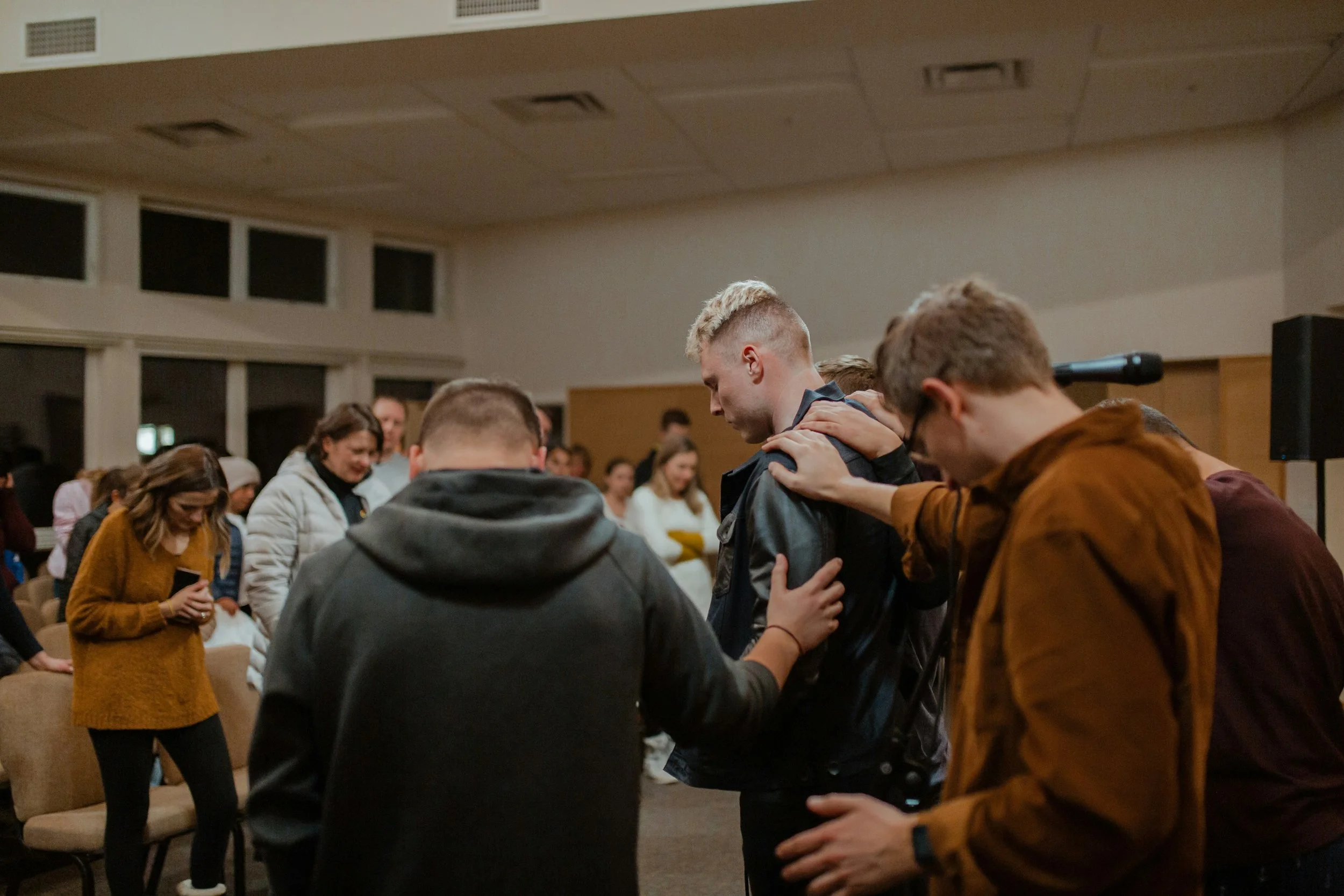
Church members are also responsible to pray for their pastors (Hebrews 13:18; Ephesians 6:18–19). What can you pray for him?
Pray for their tasks (both public and private)
Pray for their homes (family members, by name)
Pray for their character (you can use the lists in Timothy and Titus to guide your prayers)
Pray for their specific personal needs (they have the same kinds of needs you do—wisdom with growing families, paying bills, maintaining a house, changing the oil in the car, etc.)
Pray for their endurance (1 Corinthians 15:58) and faithfulness (2 Timothy 2:2; Titus 1:9)
Pray that they will guard the gospel (2 Timothy 1:14) and the flock (Acts 20:28–31) well
And when you have prayed for them, tell them you are praying and what you are praying for.
¹ John Kitchen, The Pastoral Epistles for Pastors.